For more than a decade, smartphones evolved in predictable increments—better cameras, faster processors, slimmer bodies. Foldables disrupted that rhythm. Once dismissed as fragile experiments, foldable smartphones are now shaping the next chapter of mobile computing. By 2026, the category is no longer a novelty; it is a statement of intent. Bigger screens without bigger pockets, phones that transform into tablets, and designs that rethink how we work, play, and create on the go.
Here’s a deep dive into the foldable smartphones that are set to define 2026—and what they signal for the future of personal technology.
A Maturing Category Finds Its Confidence
The early years of foldables were marked by compromises: visible creases, bulky hinges, high prices, and durability concerns. By 2026, most major manufacturers have ironed out these flaws. Hinges are slimmer and more robust, displays are brighter and less prone to wear, and software has finally caught up—optimized for multitasking, split screens, and stylus input.
What makes 2026 especially significant is not just refinement, but diversity. From book-style foldables to clamshells and even tri-fold designs, brands are experimenting with form factors that go beyond imitation.
Samsung: Expanding the Foldable Playbook
Samsung remains the undisputed leader in foldables, and 2026 is expected to be one of its most ambitious years yet.
The headline-grabber is the Galaxy Z Tri-Fold, a device that unfolds into a nearly 10-inch display. Unlike traditional book-style foldables, this tri-fold design uses dual hinges to create a tablet-like experience that rivals compact laptops. Aimed at professionals, creators, and early adopters, it positions the smartphone as a serious productivity tool.
Alongside this, Samsung is rumoured to introduce a “Wide Fold”—a foldable with a broader, more tablet-friendly aspect ratio. This move appears strategic, anticipating competition from Apple and addressing long-standing criticism that foldables feel too narrow when opened.
Apple’s Foldable Moment
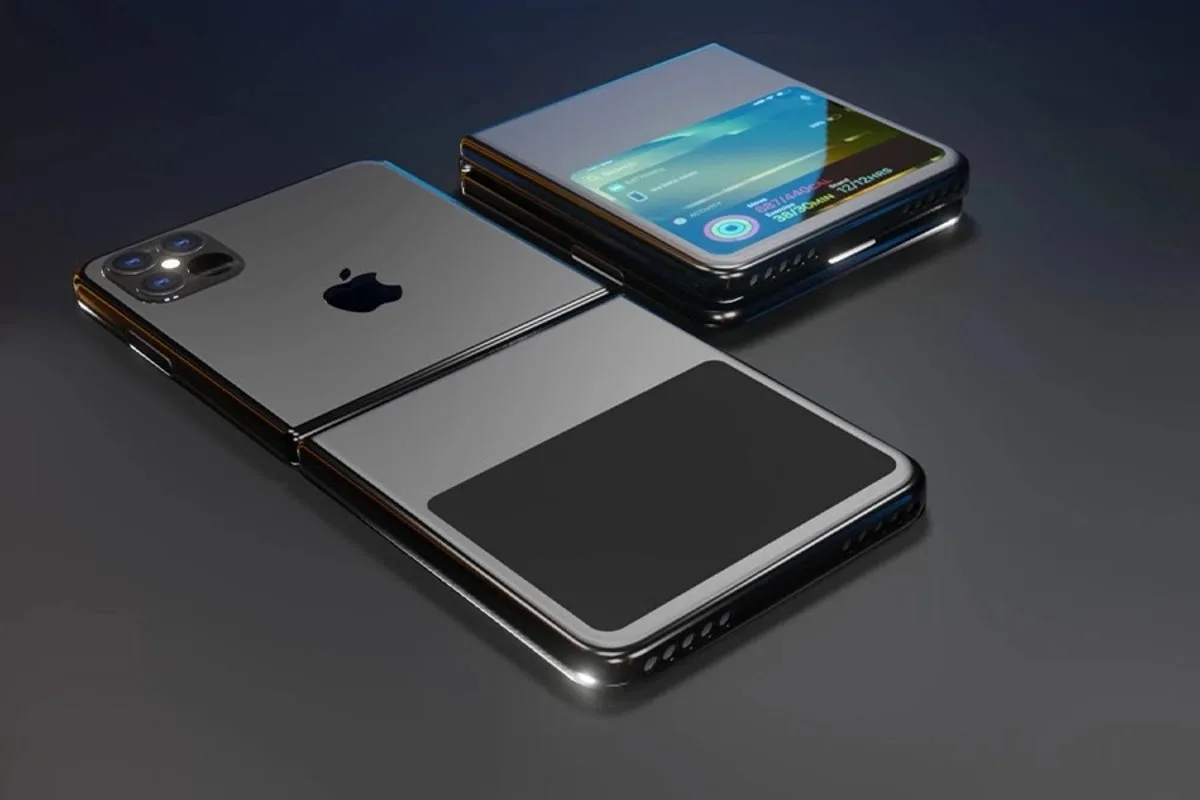
Perhaps the most anticipated device of 2026 is Apple’s long-rumoured foldable iPhone. True to form, Apple has waited, watched, and refined before entering the space. Expected to feature a near-crease-free internal display and premium materials, Apple’s foldable is less about being first and more about redefining expectations.
Industry insiders suggest Apple is focusing heavily on durability, hinge engineering, and seamless iOS optimisation for folding screens. If launched as expected, Apple’s entry could be the moment foldables move firmly into the mainstream, much like the original iPhone did for touchscreens.
Motorola’s Second Act
Motorola, a pioneer of mobile reinvention, is set to surprise in 2026 with its Razr Fold, a book-style device that expands beyond its clamshell heritage. With stylus support and a large inner display, Motorola appears to be targeting professionals and creative users—an interesting pivot that broadens its foldable identity.
Chinese Brands Push Innovation Faster
While Samsung and Apple dominate headlines, Chinese manufacturers are driving much of the innovation.
- Huawei Mate X7 is expected to push boundaries in display technology and battery efficiency, despite operating outside Google’s ecosystem. Huawei continues to lead in hardware design, especially in ultra-thin foldable construction.
- OPPO Find N6 builds on OPPO’s reputation for compact, crease-minimizing foldables, focusing on ergonomic design and fast charging.
- Vivo X Fold 6 is rumoured to bring DSLR-like camera performance to foldables, proving that large sensors and folding designs can coexist.
These brands are also playing a crucial role in making foldables more competitive on price, especially in Asian markets.
Beyond Hardware: The Software Shift
What truly sets 2026 apart is software maturity. Android’s foldable-first features—advanced multitasking, floating windows, app continuity, and stylus optimization—are finally becoming standard rather than experimental. Foldables are no longer just about bigger screens, but about better workflows: editing documents on the fly, sketching ideas, gaming across tablet-sized displays, and video conferencing without compromises.
The Bigger Picture
Foldable smartphones in 2026 are not trying to replace traditional phones overnight. Instead, they are carving out a premium, aspirational space—one that blends mobility with productivity. Prices are still high, but competition is slowly driving them down, while durability and resale value are improving.
Most importantly, foldables are redefining what a smartphone can be. Not just a screen in your pocket, but a device that adapts to you.
As 2026 unfolds, one thing is clear: the future of smartphones isn’t flat anymore—it folds.


