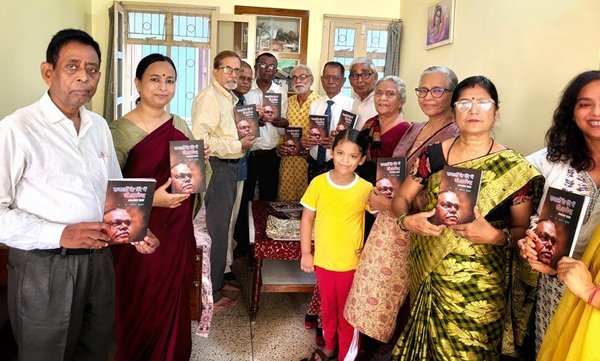
‘Sawaalon ke Ghere Mein Dr. Amarendra: Sakshatkar Samgra’ brings together conversations that illuminate the veteran Angika and Hindi litterateur’s literary world, ideas and creative evolution.
Bhagalpur: Literature became a bridge between memory, identity and cultural consciousness as the Literary Chapter of Let’s Inspire Bihar hosted the launch of Sawaalon ke Ghere Mein Dr Amarendra: Sakshatkar Samgra, edited by Dr. Brahmadev Kumar, in Bhagalpur on Tuesday. The book, built around an extensive collection of interviews with veteran Angika and Hindi litterateur Dr. Amarendra, offers readers an intimate and critical window into his personality, literary philosophy and creative journey.
Rather than presenting a conventional biography, the volume seeks to understand the writer through his own words—his experiences, ideas, influences and reflections on literature. The launch was followed by a literary discussion that brought together writers, academics, journalists, artists and cultural enthusiasts from the region.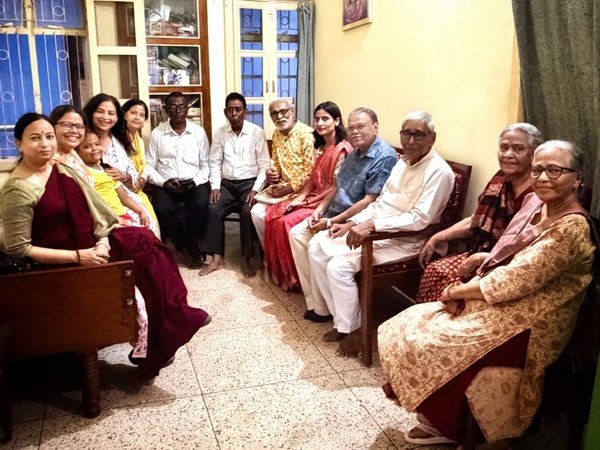
Speaking as the chief guest, senior litterateur Ranjan stressed the importance of balance in literary criticism. He observed that credible criticism must move beyond unquestioning admiration and engage meaningfully with a writer’s ideas and body of work. In this context, he described the book not as a traditional biography, but as a sustained critical engagement with a rich body of interviews that enables readers to enter Dr. Amarendra’s literary worldview.
Jyoti Jha, renowned author and columnist and Chief Coordinator of the Literary Chapter, described the initiative as an inspiring contribution from the Anga region towards positive social transformation through literature. She noted that the programme reflected the larger vision of Let’s Inspire Bihar, inspired by senior IPS officer Vikas Vaibhav, which seeks to encourage constructive change through literature, education and cultural engagement. She also congratulated Dr. Amarendra on the publication.
For Dr. Amarendra, the volume carried a deeply personal significance. Describing the collection as his “life story”, he reflected on the relationship between lived literary experience and the deeper creative essence that emerges from it. He also announced that Jyoti Jha’s novel Aanandi would soon be translated into Angika—an initiative that could create another meaningful literary bridge between Hindi and the regional language.
In her presidential address, retired teacher Indubala observed that Dr. Amarendra had succeeded in transforming his personality and experiences into his creative work, making his life and literature closely intertwined. Senior journalist Deepak Kochgave pointed out that despite the dominance of the internet and rapidly changing reading habits, Dr. Amarendra’s contribution demonstrates the continuing relevance and openness of the literary world.
Dr. Shobha Kumari, lecturer in the Postgraduate Department of Angika, spoke about Dr. Amarendra’s literary talent and emphasized the enduring value of his writings, which, she said, would continue to inspire generations of readers and young writers.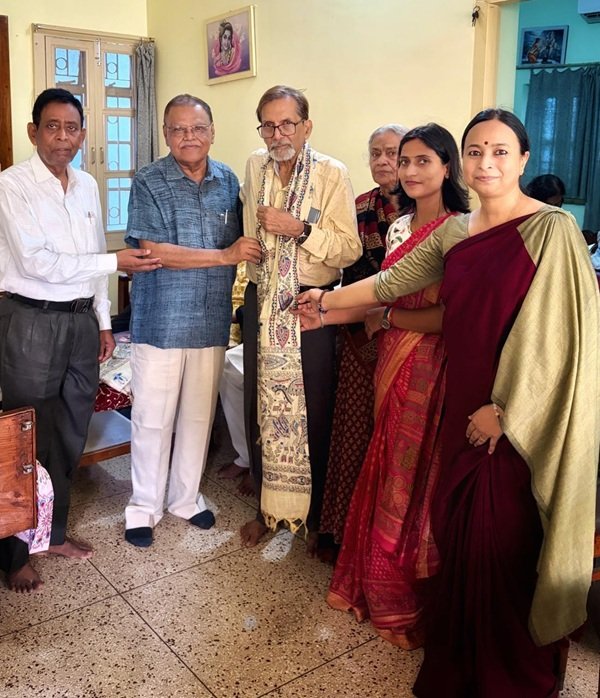
The discussion also highlighted the wider cultural significance of preserving regional literature. Indira Jha, a Bhagalpur native based in England, praised the dedication of local litterateurs working to preserve and promote Angika. Representing the UK chapter of Let’s Inspire Bihar, she conveyed her greetings to Dr. Amarendra and the Angika literary community.
Lyricist Rajkumar, who conducted the programme, introduced the book and highlighted Dr. Amarendra’s versatility across literary genres. He observed that while the writer may maintain a relatively understated personal presence, his contribution to the literary landscape remains substantial.
Several speakers offered perspectives on the significance of the volume. Dr. Abha Purve described the book as an “open door” through which readers can understand Dr. Amarendra’s personality and ideas. Dr. Premchand Pandey noted that the collection provides valuable insight into both the writer and his literary contributions.
Playwright Satyanarayan Mandal placed the book in a broader historical context, describing it as more than a compilation of answers. In his view, it also documents the literary consciousness of an era. Litterateur and filmmaker Sheetanshu Arun similarly noted that the volume records Dr. Amarendra’s literary achievements while also drawing attention to the need to preserve and carry forward this legacy for future generations.
The event also opened a dialogue on the relationship between literature and regional cultural traditions. Rashmi Thakur, Assistant Professor at the National Institute of Fashion Technology, praised Bhagalpur’s distinctive Manjusha art and expressed her intention to work with her team on initiatives aimed at promoting the region’s language, artistic traditions and cultural heritage. She also shared details of her future plans in this direction.
Adding further significance to the volume is an interview with Dr. Amarendra conducted by Nitish Raj, Editor-in-Chief of The Literary Mirror. The interview was appreciated during the discussion for its insights into the litterateur’s personality, creative thought and literary journey.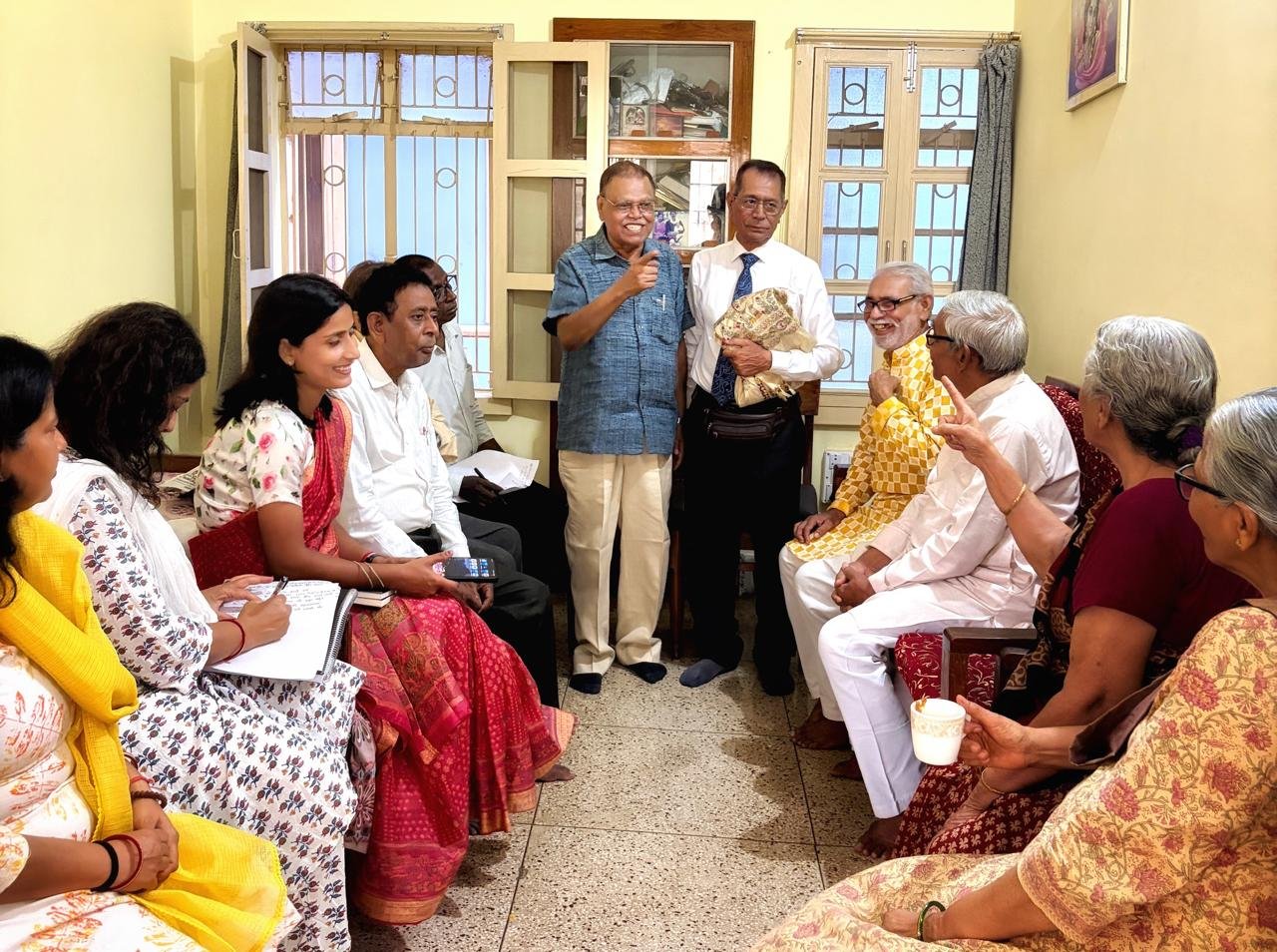
The programme also featured a devotional song by Archana Jha. Manjubala Thakur, former Head of the Department of Psychology, joined other speakers in acknowledging Dr. Amarendra’s contribution to literature.
The gathering ultimately became much more than a book launch. It evolved into a larger conversation about Angika and Hindi literature, the role of literary criticism, the preservation of regional cultural traditions and the responsibility of carrying literary legacies into the future.
At a time when regional languages and cultural memories face the pressures of rapid social and technological change, the Bhagalpur gathering offered a timely reminder: literature survives not merely through books, but through conversations, critical engagement and the communities that continue to read, remember and pass it forward.
The vote of thanks was delivered by Jyoti Jha, bringing the literary gathering to a close on a note of celebration and collective commitment to the region’s rich literary heritage.


