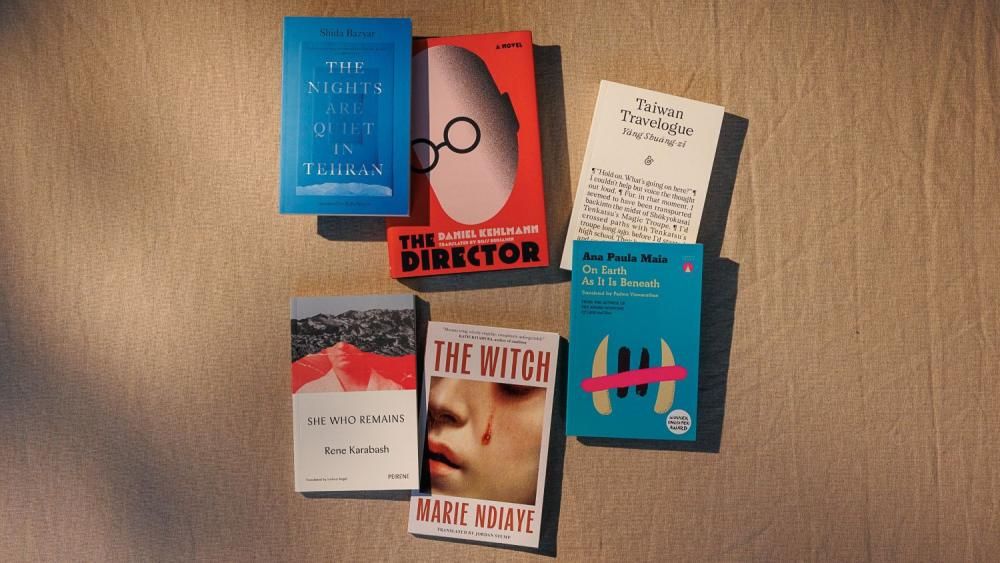
In the vast, ever-expanding landscape of world literature, translation remains one of its most delicate arts—an act not merely of language, but of listening. In 2026, this quiet, intricate craft finds luminous recognition as Padma Viswanathan enters the global literary conversation through the International Booker Prize Shortlist for her translation of On Earth As It Is Beneath by Ana Paula Maia.
To translate is to inhabit another writer’s breath—to carry rhythm, silence, and cultural nuance across the fragile bridge of language. Viswanathan, already celebrated for her own fiction, approaches this act with a rare sensitivity. Her translation does not merely render words into English; it recreates a world, preserving its textures while allowing it to resonate with new readers.
The International Booker Prize, unique in its equal recognition of author and translator, foregrounds this collaborative artistry. In Viswanathan’s work, translation becomes an act of literary stewardship—one that honours the original while reimagining its life in another tongue.
There is something profoundly intimate about this process. A translator must disappear and yet remain—faithful to another voice, yet unmistakably present in its cadence. Viswanathan achieves this balance with grace, allowing Maia’s stark, haunting narrative to travel across geographies without losing its emotional core.
Her presence on the 2026 Shortlist is more than an individual milestone. It signals a broader shift in how we read the world: not as isolated literatures, but as interconnected conversations. In this exchange, translators are no longer invisible—they are essential, shaping the way stories endure, evolve, and belong.
In Padma Viswanathan’s hands, translation is not secondary creation; it is literature itself—reborn, revoiced, and made timeless.


