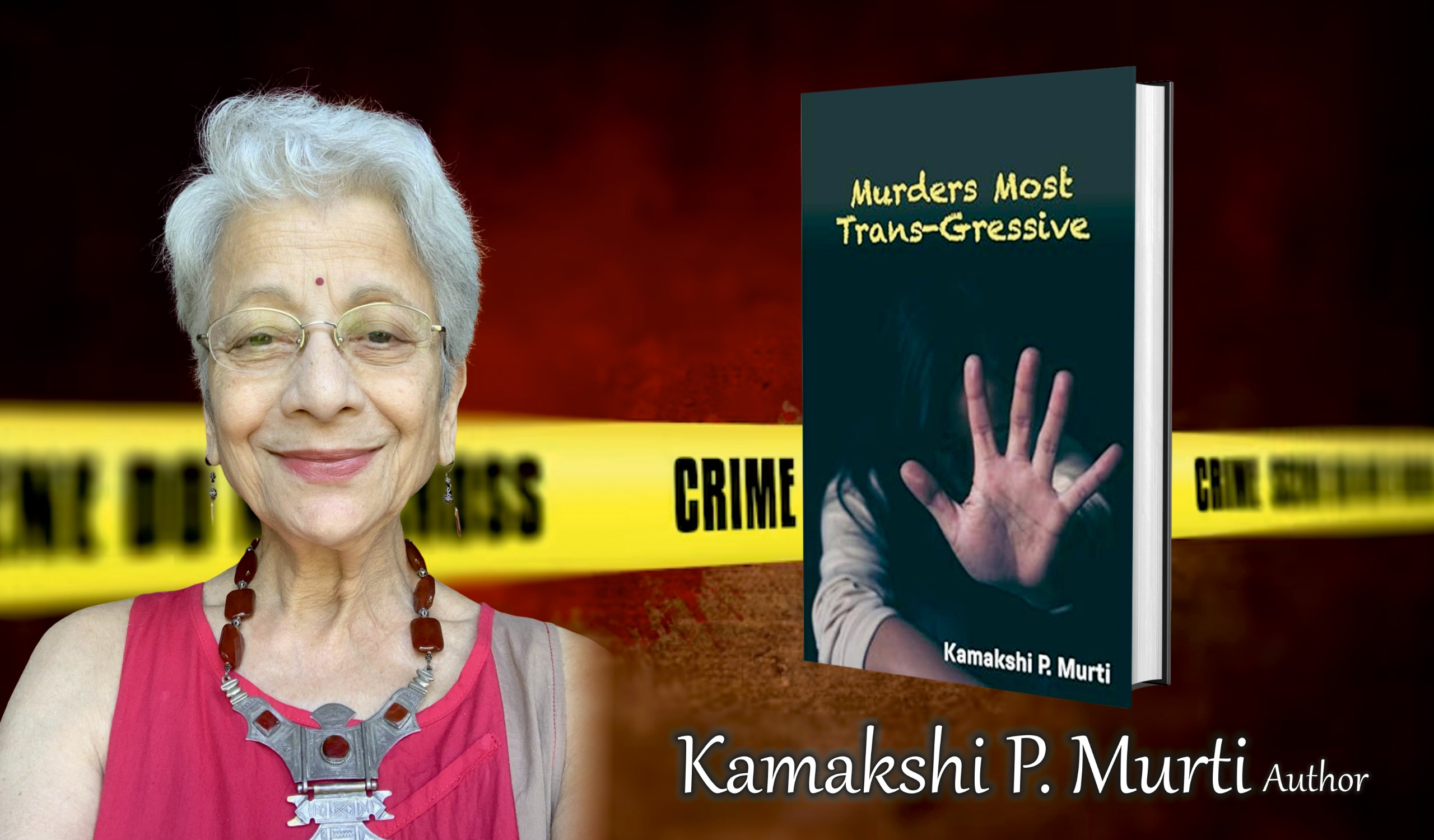
Kamakshi Pappu Murti’s literary imagination is animated by a quiet but insistent ethical gaze. A retired professor of German Studies, her long engagement with questions of otherness, gender, and cultural representation does not remain confined to the academic page. Instead, it breathes freely through her fiction, which moves across age groups and genres while remaining anchored in a single moral concern: the dignity of lives lived at the margins.
Murti’s writing for children and young adults resists easy consolation. Adolescence, in her work, is not a protected zone of innocence but a crucible where loss, shame, and awakening converge. This is most powerfully embodied in the figure of Lalli, a teenager who loses a leg in an accident. In Lalli’s Window and Lalli Unveils a Window, the prosthetic limb becomes both burden and metaphor—a visible marker of difference that forces Lalli to confront her own narrowness of vision. As the “window” of the title slowly opens, Murti traces an inward expansion: from self-absorption to self-recognition, and finally to an empathetic awareness of others. The transformation is subtle, unsentimental, and deeply human.
A similar attentiveness to social cruelty shapes Yasemin and Nirmala: A Tale of Two Teens, where Murti exposes the enduring stigma surrounding physical disability. Here, youthful friendship becomes a fragile but luminous counterpoint to a world quick to judge and exclude. Murti neither moralizes nor softens reality; instead, she allows prejudice to reveal itself in small, telling gestures, trusting the reader to draw their own reckoning.
If Murti’s young adult fiction dwells in the interior landscapes of vulnerability, her crime novels turn their gaze outward, toward society’s hidden violences. In Murders Most Matronly and Murders in the Ivory Tower, cousins Leela Rao and Meena Rao—sharp-eyed, resolute, and unmistakably Indian—step into the lineage of Agatha Christie’s Miss Jane Marple. Yet these are sleuths shaped by their times. Their investigations are as much about moral accountability as they are about solving puzzles.
In their most unsettling case, the brutal murders of two members of India’s LGBTQ+ community draw the cousins into worlds long rendered invisible. Through encounters with theatrical performance and lived testimony, detection gives way to witness. The mystery becomes a meditation on erasure, courage, and complicity, and the investigators themselves are transformed—no longer mere solvers of crime, but reluctant crusaders for justice.
Across her fiction and scholarship alike—from studies of German Orientalism to meditations on Europe’s shifting “Other”—Kamakshi Pappu Murti returns to a single, resonant question: who is allowed to be seen, and at what cost? Her stories do not shout; they listen. And in that attentive listening, they open windows inviting readers to look again, and to look more humanely.


