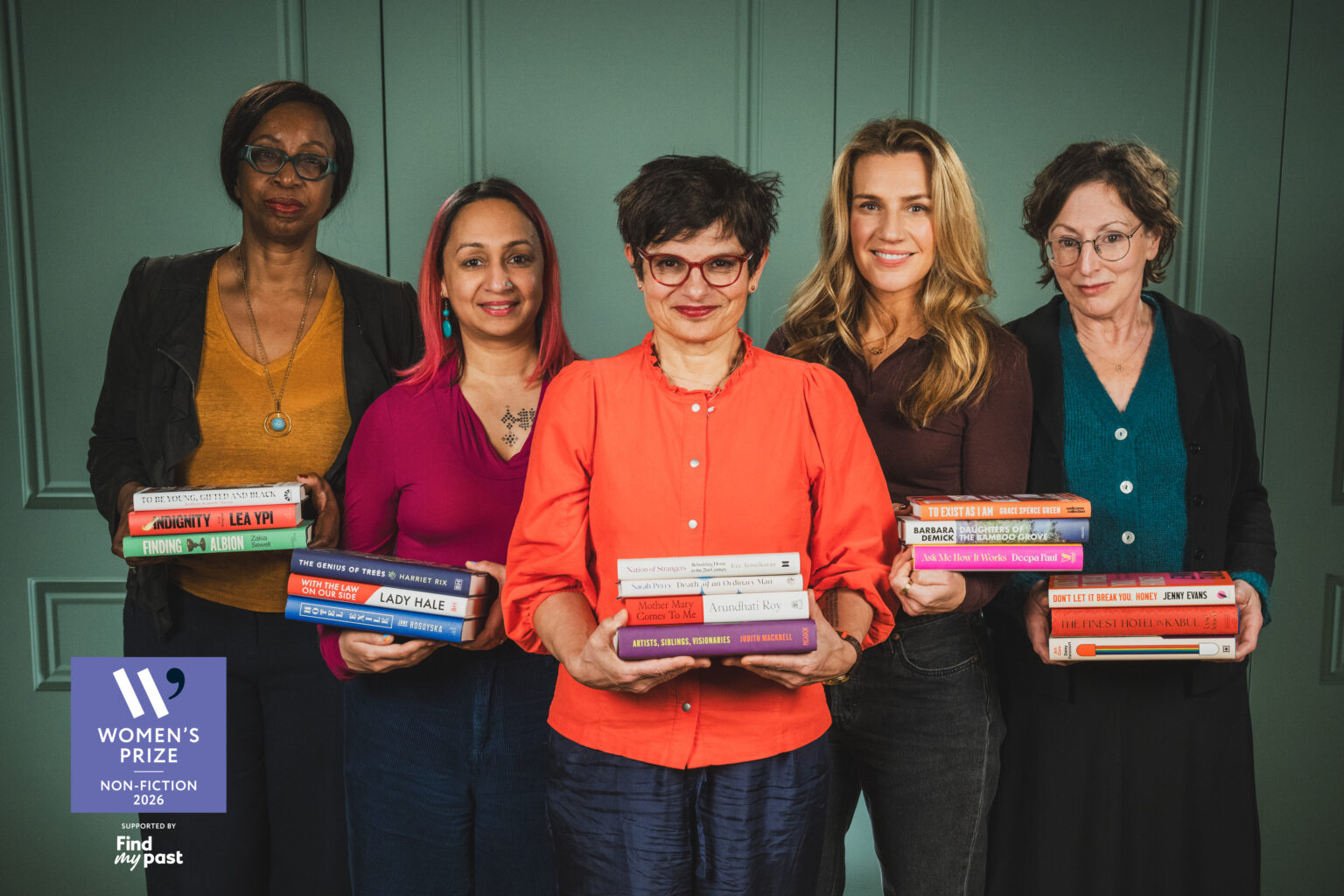
The Women’s Prize for Non-Fiction 2026 longlist arrives like a chorus of urgent, intimate, and intellectually fearless voices. Spanning continents, disciplines, and lived experiences, this year’s sixteen selected titles reaffirm the Prize’s commitment to celebrating narrative nonfiction that is rigorous yet readable, personal yet political. Together, they form a portrait of a world in flux—grappling with identity, memory, justice, science, art, and survival.
1. Daughters of the Bamboo Grove: China’s Stolen Children and a Story of Separated Twins by Barbara Demick
A wrenching, deeply reported narrative that follows separated twins to expose the human cost of China’s family policies—intimate storytelling that turns policy into personal heartbreak and resilience.
2. The Finest Hotel in Kabul: A People’s History of Afghanistan by Lyse Doucet
Lyse Doucet uses the microcosm of a Kabul hotel to map Afghanistan’s layered histories—an elegiac, eyewitness tapestry that foregrounds ordinary lives amid upheaval.
3. Don’t Let It Break You, Honey: A Memoir About Saving Yourself by Jenny Evans
A candid, tender memoir of fracture and repair; Evans writes with startling honesty about trauma, recovery, and the small acts that add up to surviving.
4. Art Cure: The Science of How the Arts Transform Our Health by Daisy Fancourt
A lucid, persuasive synthesis of research that argues creativity is medicine—readable science that maps how art reshapes bodies, brains, and communities.
5. With the Law on Our Side: How the Law Works for Everyone and How We Can Make It Work Better by Lady Hale
Authoritative and humane, Lady Hale demystifies legal machinery and suggests practical reforms to make justice more accessible and fair.
6. To Be Young, Gifted and Black: Creativity and Race in the 21st Century by Kadiatu Kanneh‑Mason
A vibrant exploration of Black creativity today—part cultural criticism, part manifesto—celebrating artistic possibility while interrogating structural barriers.
7. Artists, Siblings, Visionaries: The Lives and Loves of Gwen and Augustus John by Judith Mackrell
A richly textured dual biography that untangles kinship, rivalry and genius, bringing two complex artists vividly back into view.
8. Ask Me How It Works: Love in an Open Marriage by Deepa Paul
A brave, intimate account of non-monogamy that blends memoir and cultural reflection—probing desire, boundaries and honesty in modern relationships.
9. Death of an Ordinary Man by Sarah Perry
Perry turns her forensic attention to a single life, using lyricism and moral curiosity to examine grief, meaning and the stories we tell about ordinary people.
10. The Genius of Trees: How Trees Mastered the Elements and Shaped the World by Harriet Rix
A wonder-filled natural history that treats trees as engineers and storytellers—rich in science and awe —reframes how we see the living world.
11. Hotel Exile: Paris in the Shadow of War by Jane Rogoyska
A meticulously researched portrait of wartime Paris told through the lives and liminal spaces of refugees, exiles and those who sheltered them.
12. Mother Mary Comes to Me by Arundhati Roy
Roy’s long-awaited nonfiction combines memoir, political meditation and lyrical prose—expect fierce moral clarity and the surprising associative leaps that make her voice singular.
13. Finding Albion: Myth, Folklore and the Quest for a Hidden Britain by Zakia Sewell
A curious, wandering inquiry into Britain’s stories—myth and folklore are deployed as tools to understand place, belonging and cultural amnesia.
14. To Exist As I Am: A Doctor’s Notes on Recovery and Radical Acceptance by Grace Spence Green
Part clinical wisdom, part humane meditation: a doctor reflects on recovery, the limits of medicine, and the radical calm of learning to be present.
15. Nation of Strangers: Rebuilding Home in the 21st Century by Ece Temelkuran
A sharp, urgent diagnosis of contemporary dislocation—Temelkuran maps how politics and fear fray community and suggests paths toward repair.
16. Indignity: A Life Reimagined by Lea Ypi
Philosophical and personal, Ypi wrestles with dignity, democracy and selfhood in a bold, intellectually nimble memoir that questions how we rebuild lives after upheaval.
Notably, seven of the sixteen longlisted titles are debuts—an encouraging sign of fresh perspectives reshaping nonfiction today. The range of subjects underscores the Prize’s expansive understanding of what nonfiction can achieve: it can expose injustice, heal trauma, reinterpret history, and inspire collective imagination.
As anticipation builds for the forthcoming shortlist, the 2026 longlist already feels like a celebration in itself—a reminder that when women write the world as they see and experience it, the result is not only testimony but transformation. In a time marked by noise and uncertainty, these books insist on clarity, courage, and the enduring power of truth.
We'll unveil the six finalists on 25 March 2026, setting the stage for the final celebration of this year’s most compelling works of narrative nonfiction. The winner will be announced on 11 June 2026 at a prestigious ceremony in London. The recipient will be awarded £30,000 along with the Prize’s signature trophy; a specially commissioned limited-edition artwork known as The Charlotte, sculpted by Ann Christopher RA FRSS, and both gifted by the Charlotte Aitken Trust. honouring both literary excellence and lasting cultural impact.
Image Credit: Womensprize.com


